Child Wellness Matters
Kids grow in stages, and each stage comes with different needs. If a stage is skipped or unsupported, it can affect confidence and learning later.
Physical
At every stage, children need rest, nutrition, and movement to grow strong and focused. From playground time to proper sleep routines, we encourage daily habits that build coordination, stamina, and overall well-being. When children feel good physically, they’re better able to learn and participate fully.
Emotional
We help students recognize emotions such as joy, frustration, or sadness, and express them in healthy ways. Through guided conversations, stories, and play, students learn that all feelings are valid, and that there are safe ways to handle them.
Social
We guide students to take turns, share ideas, and resolve conflicts respectfully. Learning how to listen, cooperate, and empathize helps build lasting friendships and a sense of connection to the school community.
Self Awareness and Regulation
We support learners in noticing their strengths and challenges. With guidance and coaching, they learn to pause, make thoughtful choices, and stay calm in different situations , all skills essential for lifelong learning and success.
Socio-Emotional Learning Today, Wellness Tomorrow
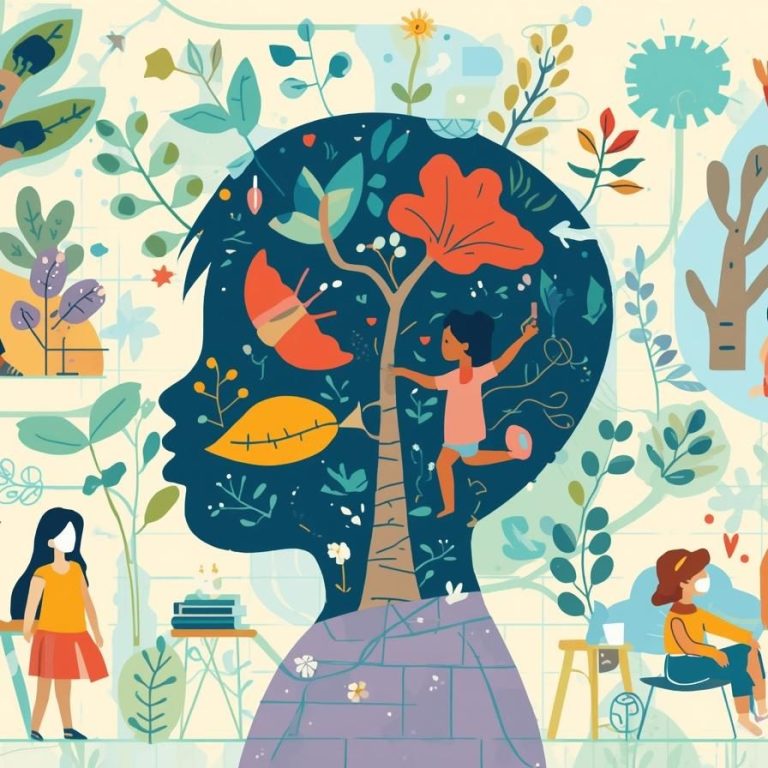
Research shows that students thrive when their physical, emotional, and social needs are met. Human development reminds us that each stage of growth comes with new challenges and opportunities and that every child’s experiences shape who they become.
Moreover, neuroscience tells us that positive relationships and safe learning environments actually strengthen the brain’s ability to learn and manage emotions.
Through strong connections with caring adults, students gain confidence to explore and succeed.
At STEAM, we embrace our role in helping children recognize their emotions, stay calm under pressure, and build healthy relationships.
Click here to download resources or learn more at https://developingchild.harvard.edu/wp-content/uploads/2024/10/Science_Early_Childhood_Development.pdf


Community is key
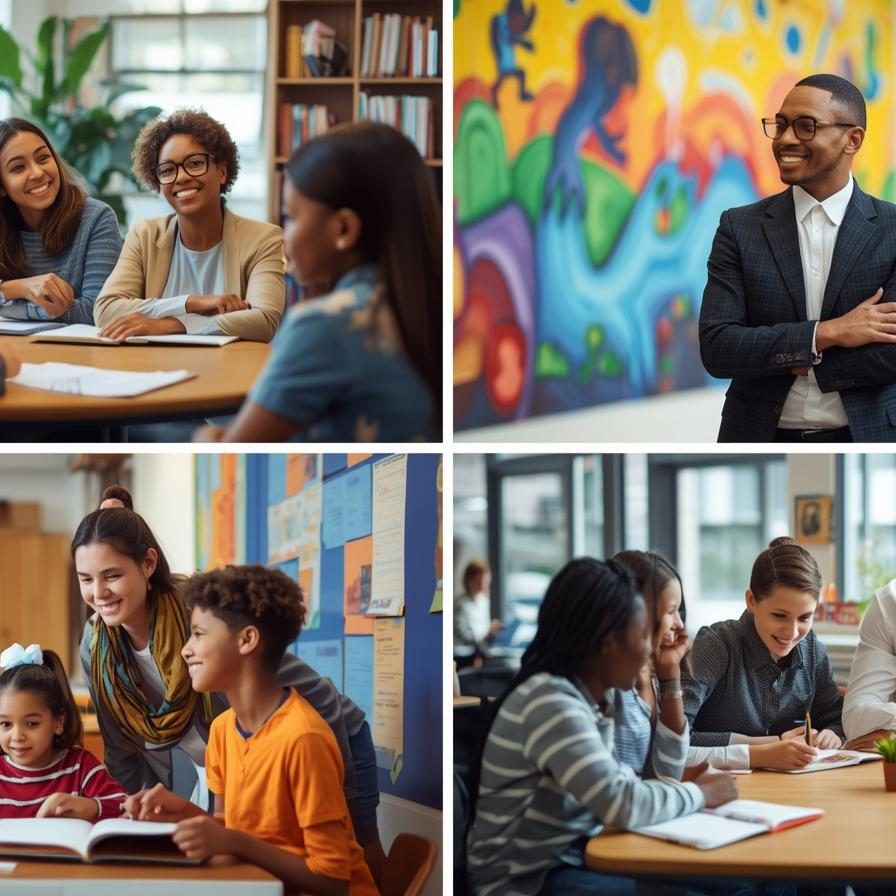
Families are children’s first teachers, and when they are involved, students thrive.
As a parent, you can:
- Partner with our school to reinforce positive habits at home
- Share insights about your child’s needs and strengths
- Attend workshops on student mental health and wellness
- Work with your child's teacher to build consistent routines and expectations.
Learn more ways to support your child's SEL development here.